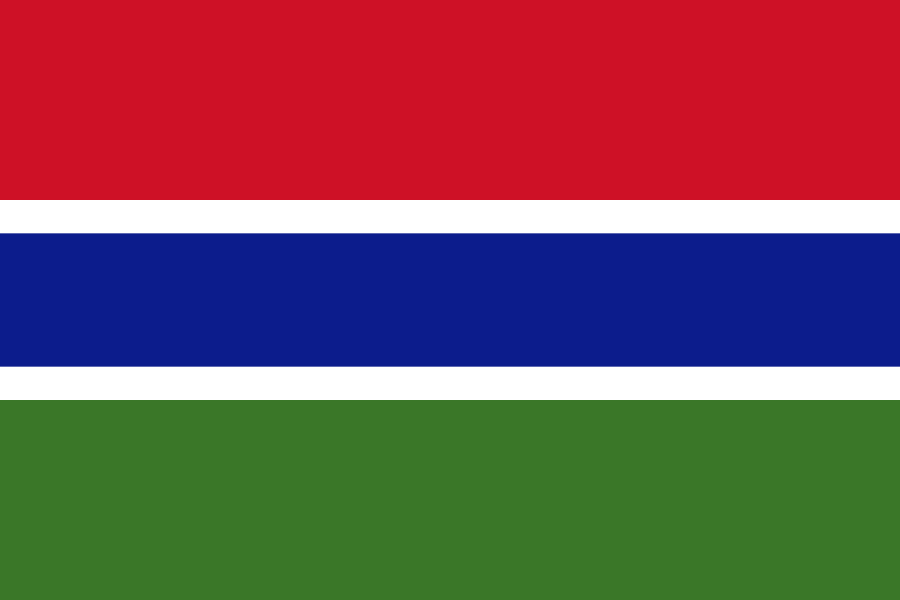



Gambian television: channels, programs, and viewing habits
Gambian television has grown from a small public-service tradition into a mixed landscape where national broadcasters, private stations, and satellite platforms share attention. For many households, evening schedules still revolve around news bulletins, discussion shows, and football, while younger audiences move between classic TV sets and phones. The country’s media scene reflects daily life: public announcements, religious programming, music and entertainment, and coverage of community events. Viewers who prefer flexible access increasingly look for TV online services, and when major events happen—elections, national celebrations, or big matches—many people rely on live streaming to follow the moment as it unfolds.
Key Gambian TV channels and what they are known for
The backbone of the national broadcast space is GRTS (Gambia Radio and Television Services), the public broadcaster that provides nationwide news, official information, educational segments, and coverage of ceremonies and public debates. Its programming often includes local language content alongside English, helping it reach diverse audiences. In the private sector, QTV Gambia is widely recognized for talk shows, current affairs, interviews, and entertainment formats that feel closer to urban daily conversations. Viewers also follow regional and international channels via pay TV, but Gambian TV channels remain important for local context, public service messages, and community-focused storytelling. When schedules are busy or viewers are away from home, many choose to watch online to keep up with familiar presenters and locally relevant headlines.
Programs that shape everyday viewing
News and public affairs are central to Gambian television, with prime-time bulletins, panel discussions, and interview programs that address governance, the economy, social issues, and diaspora concerns. Sports coverage—especially football—draws consistent attention, and during tournaments the demand for television live access rises because fans want real-time reactions and analysis. Religious shows, youth and music programming, and cultural features also play a major role, highlighting local artists, community initiatives, and national heritage. Educational content appears in different forms, from health awareness segments to programs that explain civic processes. For viewers who prefer a phone-first experience, it is increasingly common to watch television online through official pages and platform feeds that mirror or complement broadcast schedules.
How viewers access Gambian television today
Traditional antenna reception remains important, but viewing habits now combine broadcast, satellite packages, and internet-based options. In urban areas, people often switch between the TV set and mobile devices, especially when commuting or working late, and many look for ways to watch online without missing key updates. During breaking news or high-interest events, audiences seek live as a practical way to stay informed in real time, whether they are in Banjul, upcountry, or abroad. As connectivity improves, TV online distribution helps Gambian broadcasters reach the diaspora and younger viewers who expect immediate access, clearer schedules, and shareable clips—while still keeping the focus on local voices, local issues, and programs that reflect life in Gambia.